Lace & Legacy: The Spanish Bride
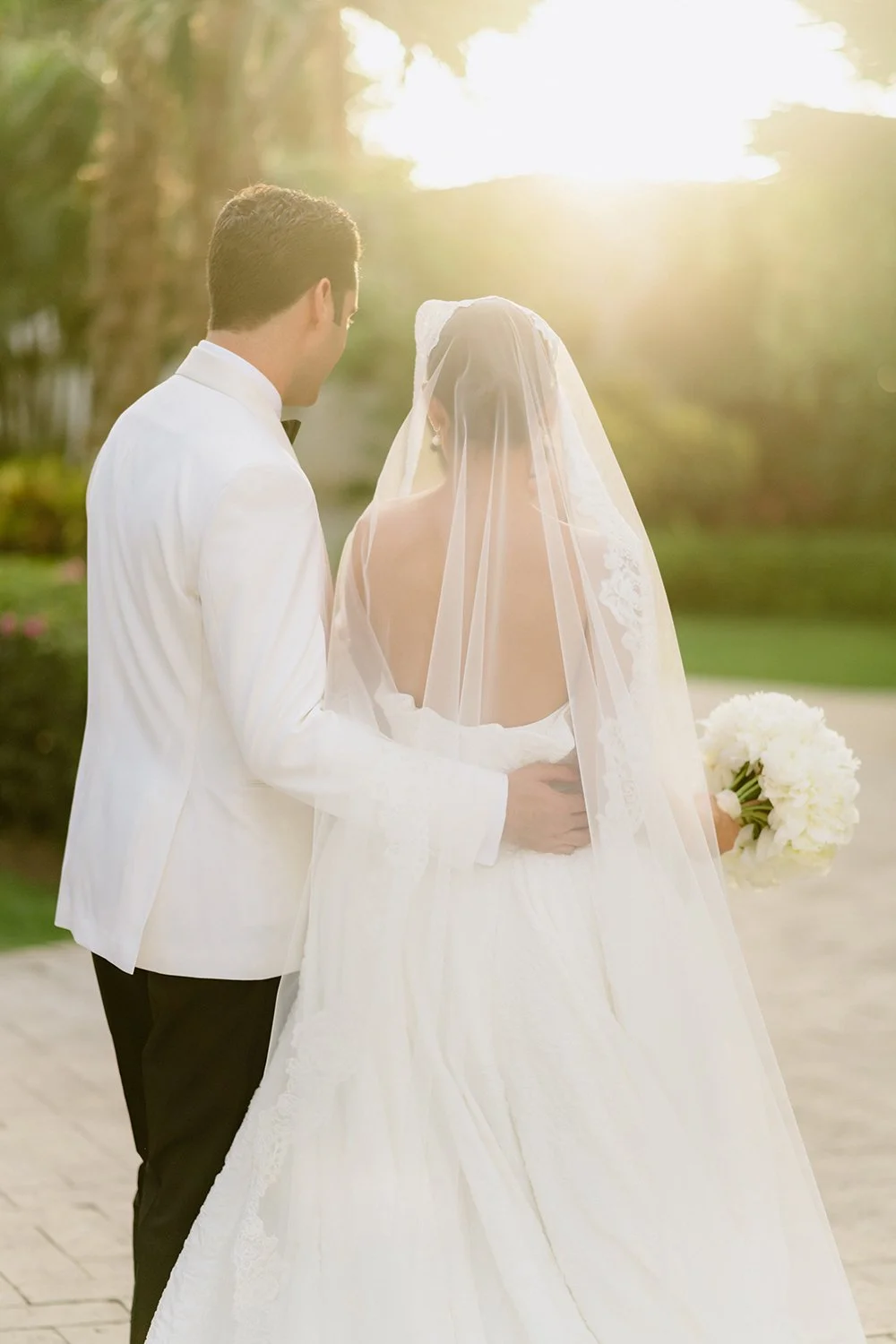
Few bridal accessories embody the quiet romantic heritage of the mantilla. With its origins steeped in Spanish history and tradition, this magnificent lace veil, with its delicate lace and scalloped edges, drapes elegantly over the bride’s head and shoulders, perfectly framing the bride's face.
Mantillas were traditionally handmade in lace or silk and adorned with intricate floral motifs and delicate borders. Brides wear the veil over a decorative comb, known as a peineta, which lifts the lace slightly away from the head and lets it cascade softly down the back. This gentle drape distinguishes the mantilla, and unlike structured veils, it feels fluid, romantic, and graceful.

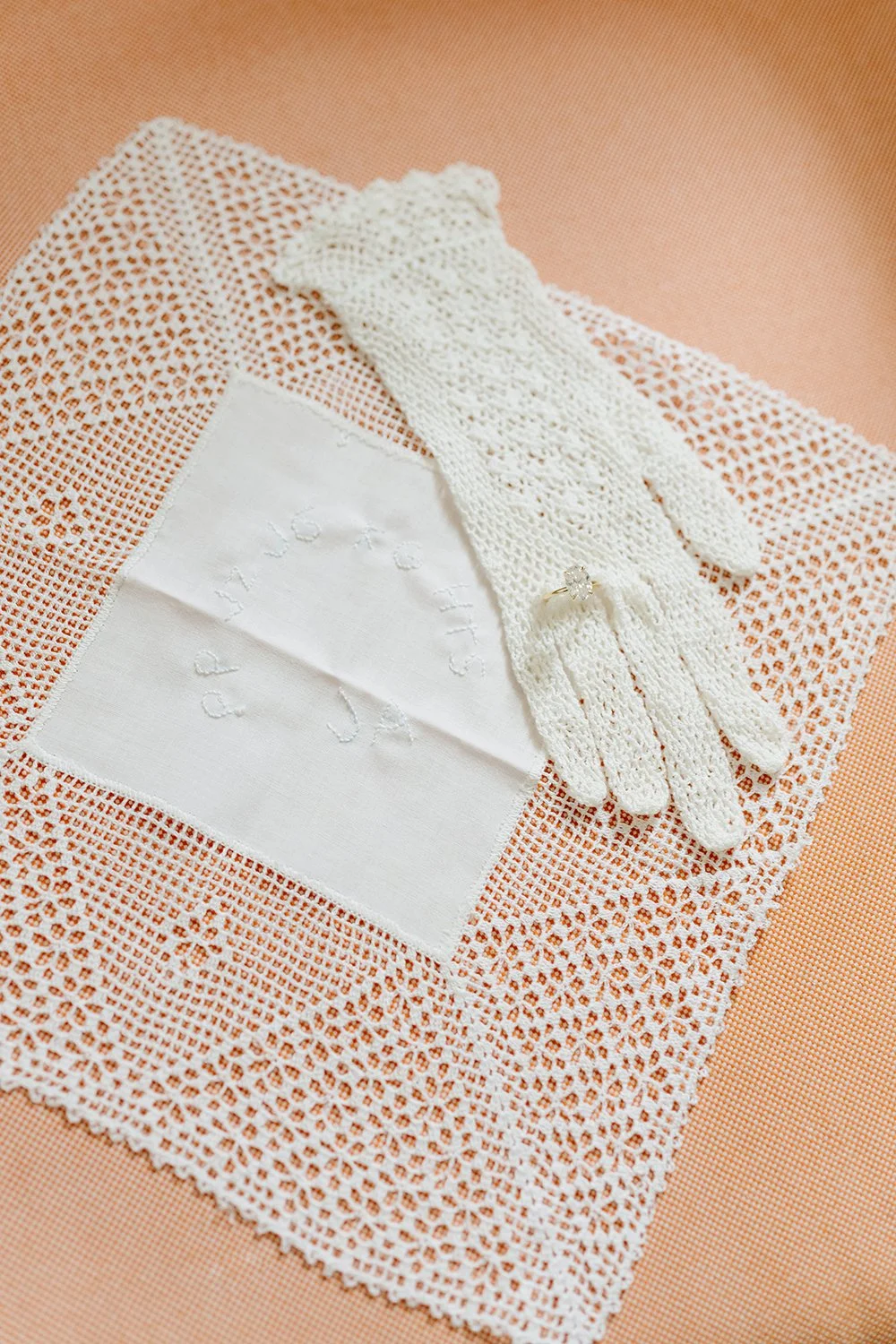
Lace itself holds a special place in Spanish wedding traditions. For generations, it has been associated with femininity, craftsmanship and family heritage. Brides often carry lace-trimmed handkerchiefs, sometimes embroidered by the bride herself or handed down through the family, small, intimate details that add a sense of sentiment to the day.
Delicate lace gloves have also long been part of more official ceremonies, introducing a touch of classical, elegant tradition. Even fans, shawls, and other personal accessories are frequently edged in lace, reflecting beauty and workmanship throughout the smallest details.

The mantilla’s story stretches back centuries, originating on the Iberian Peninsula as a practical head covering worn for both modesty and sun protection. Over time, particularly during the 16th and 17th centuries, it evolved into a more decorative garment and in the 19th century, it was embraced as part of Spanish national dress, cementing its international status as a symbol of elegance and feminine style.